
Choosing the Right Digital Marketing Agency.
You’ve probably noticed that after looking at a pair of hiking boots online, they seem to follow you across every website you visit for a week. That isn’t magic or a glitch in your browser. Behind the scenes, a digital marketing agency is performing the invisible work of analyzing consumer habits to bring those products back into your view.

Launching a new website without that same support is like opening a stunning shop in the middle of an empty desert. You might have excellent inventory and competitive prices, but without infrastructure, nobody will ever walk through your front doors.
Solving low organic website traffic requires a dedicated construction crew. In practice, these marketing teams act as modern road builders, using comprehensive digital marketing services to pave clear, high-speed highways straight to your virtual entrance.
Partnering with these professionals removes the guesswork from online growth. Instead of hoping people stumble upon your brand by chance, you gain a strategic business ally who actively builds the bridges between your hidden storefront and your future customers.
More Than Just Posting on Facebook: What a Marketing Firm Actually Does Daily.
Many assume digital strategy is just posting photos online, but answering “What does a marketing firm do?” reveals a much deeper ecosystem. Agencies build the invisible infrastructure bringing customers to your virtual door through three core pillars:
- SEO (Search Engine Optimization): This is your library filing system. The agency ensures Google categorizes your website perfectly so when a customer searches for help, your “book” is pulled first.
- PPC (Pay-Per-Click): Think of this as your digital billboard. You pay for prime placement at the top of a webpage to get immediate visibility.
- Content: These are the helpful conversations and stories that actually convince people to buy once they arrive.
Mastering these specific tactics separates “renting” your audience from “owning” it. A media buyer is the specialist managing those digital billboards, carefully spending your daily budget to rent high-quality traffic for quick sales. Conversely, a content creator builds permanent assets for your website, helping you steadily earn free traffic over time.
Combining these distinct roles provides comprehensive online marketing services that function seamlessly together. While a paid ad grabs initial attention, improving brand awareness through content builds the genuine trust needed to close a sale. Because this requires such diverse skills, a critical question naturally emerges: should you hire one person or an entire team? The truth about in-house vs. outsourcing changes everything.
Hire One Person or an Entire Team? The Truth About In-House vs. Outsourcing.
Many owners initially hire a single person to manage their entire online presence. However, expecting one employee to master four core skills—graphic design, persuasive writing, data analysis, and strategy—is like asking a plumber to wire your electricity. This creates the “skill-gap trap,” where a generalist lacks the specialized depth required to truly grow your brand.
Comparing the true costs of in-house marketing vs outsourcing reveals a surprising reality. Hiring one full-time manager requires a salary, benefits, and software yet leaves you vulnerable to that skill gap. Conversely, directing that same budget toward an agency grants you access to an entire department of experts for roughly the same price.
The breaking point usually arrives when you begin scaling business with search marketing and realize a single employee cannot manage ads, write articles, and fix website errors simultaneously. Once you start searching for a “digital marketing agency near me” to handle the workload, your focus shifts to finding the right fit. Do you need a highly focused boutique shop or a massive corporate firm?
Picking Your Partner: Choosing Between Boutique Specialists and Full-Service Giants.
Imagine walking into a massive department store versus a specialized tailor. Both sell clothes, but the experience is entirely different. This is the exact choice you face when learning how to choose marketing partners. You must decide if your current revenue aligns better with boutique vs full-service firms. A boutique agency focuses on one specific skill, like managing social media for local bakeries. A full-service giant is the department store, offering everything under one roof.
Choosing the right partner comes down to their distinct strengths and weaknesses:
- Boutique Specialists: They provide a “Specialist’s Edge” with deep industry knowledge and direct access to experts, but you may need multiple agencies to expand into new channels.
- Full-Service Giants: These firms excel at integrated communication and brand management, keeping your messaging perfectly unified across every platform, though they often charge higher fees.
The right choice depends on whether you need to fix a single broken marketing channel or build an entire strategy from scratch. Regardless of who you hire, you will eventually need to know if they are actually generating sales. This means it is time for decoding the report: how to measure return on ad spend without a math degree.
Decoding the Report: How to Measure Return on Ad Spend Without a Math Degree.
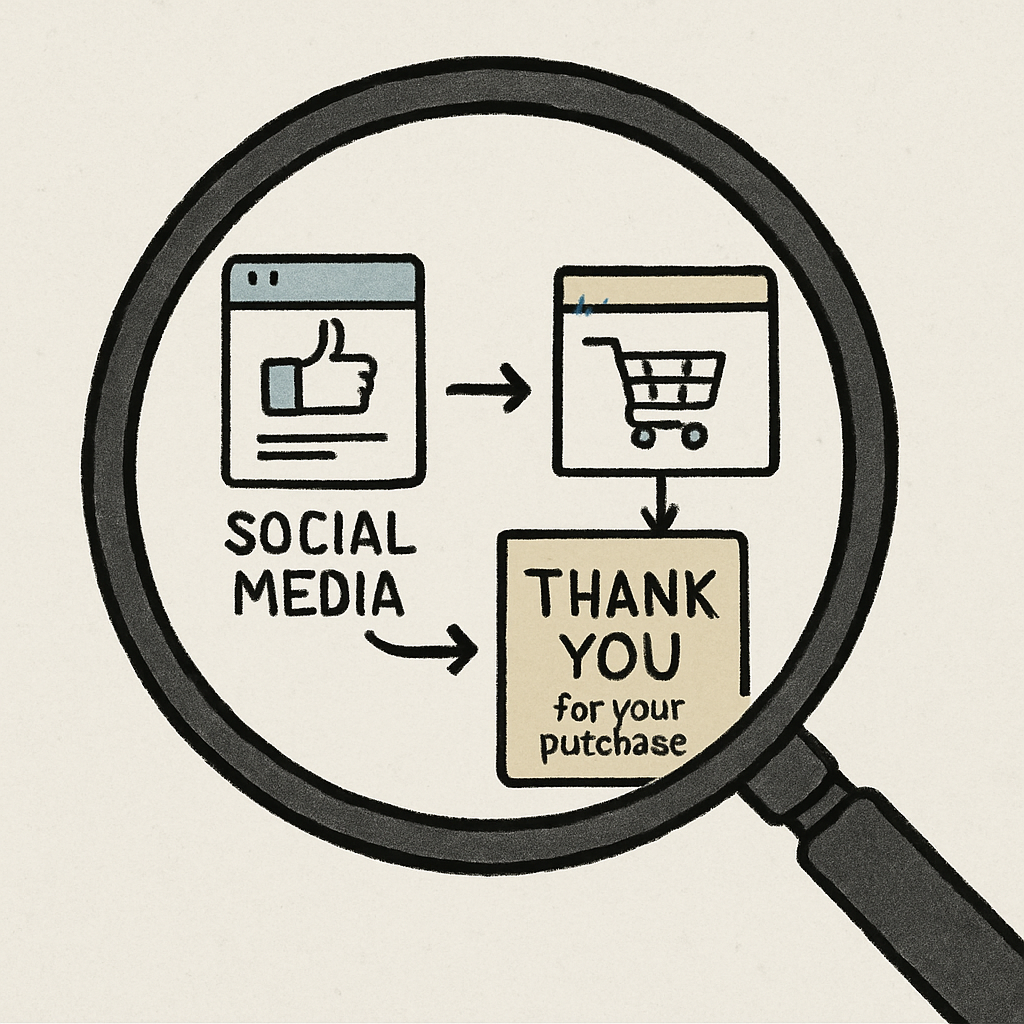
Reading an agency report can feel overwhelming, but the secret is knowing which numbers actually pay the bills. It is easy to celebrate “vanity metrics” like thousands of new followers, yet these rarely equal revenue. True success relies on “growth metrics,” which measure actual sales. When your partner prioritizes performance-based marketing metrics, they act as digital detectives tracking exactly what makes a customer buy.
The most important number you will see is Return on Ad Spend (ROAS). Think of this like a vending machine where the goal is inserting one dollar to get four dollars back. If a bakery spends $100 on ads and sells $400 in cakes, their ROAS is 4-to-1. The simplest formula for maximizing return on ad spend is identifying these highly profitable campaigns and funding them before competitors catch on.
Website traffic alone is only half the equation. If a physical store has massive foot traffic but a broken cash register, it still fails. Agencies use conversion rate optimization strategies, making targeted website tweaks to turn casual browsers into paying customers. Fixing a confusing checkout button can dramatically boost sales without spending an extra dime on ads.
An agency proves its worth when these specific metrics climb and directly increase your bottom line. Once you verify that your marketing is generating profit, the next step is deciding how to compensate the experts. This brings us to navigating the bill: understanding retainers and performance-based pricing.
Navigating the Bill: Understanding Retainers and Performance-Based Pricing.
Hiring a digital marketing agency shouldn’t feel like throwing money into a wishing well. Just as you wouldn’t hire a building contractor without knowing if they charge by the hour or the finished house, you need to understand marketing costs. Most local and mid-sized businesses rely on typical monthly retainer fee structures to keep their budgets predictable while securing ongoing expert support.
When negotiating your contract, tying payments to clear, physical deliverables is crucial. You will typically encounter three standard billing models:
- Project-Based: A one-time fee for a defined, standalone goal, like launching a brand-new website.
- Monthly Retainer: A fixed recurring cost for continuous daily work, such as writing weekly blog posts or managing ad campaigns.
- Performance-Based: An arrangement where the agency earns a cut of the sales they directly generate, driven entirely by performance-based marketing metrics.
Beware of “red flag” pricing models, like a suspiciously cheap flat rate for “guaranteed” top Google rankings. This setup almost always encourages low-quality, cut-and-paste work that hurts your brand long-term. Aligning how you pay with the value you receive protects your business. With clear financial expectations, you can safely evaluate potential partners.
The Three-Step Audit: How to Spot a Great Agency Before You Sign
Before sharing your budget, look closely at their own digital storefront by taking five minutes to run through these steps to audit digital presence:
- Inspect their website: Is it fast and clearly written?
- Read case studies: Do they show real results for actual businesses rather than vague promises?
- Search their name: Can you find them easily on Google to prove they practice what they preach?
During consultations, listen to how they discuss your goals. A standard sales pitch highlights their own awards, whereas a true partner prioritizes developing multi-channel growth strategies. This simply means planning to reach your customers across multiple places, like search engines and social feeds. Always ask three magic questions: “How do you measure success?”, “What happens if a campaign fails?”, and “Who manages the daily work?”
Protecting your investment requires demanding transparency from any digital marketing agency you hire. If they answer those questions clearly instead of hiding behind buzzwords, you have likely found a trustworthy match. With a trusted partner selected, the journey shifts toward execution.
Your Digital Roadmap: From First Meeting to First Sale
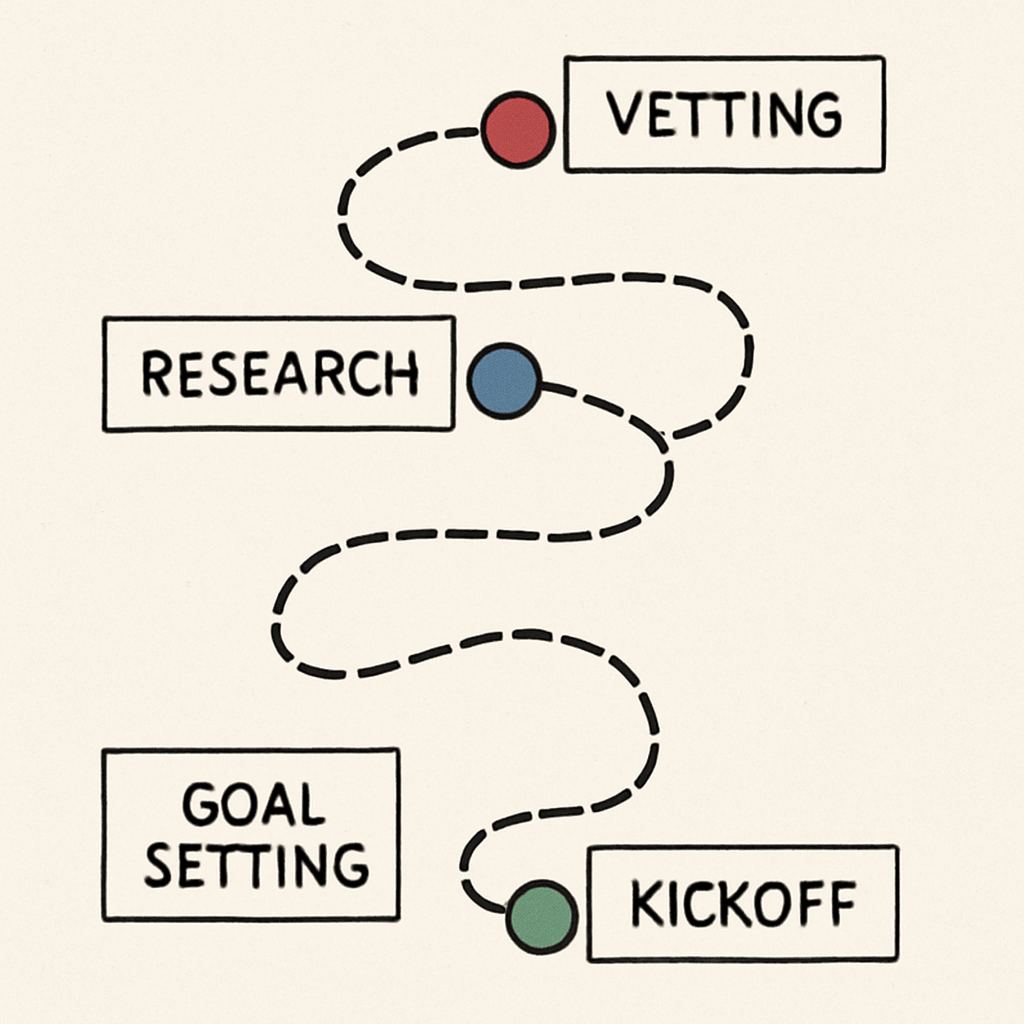
You no longer have to view a digital marketing agency as a mysterious black box. You now possess the knowledge to sit down and have an intelligent conversation with any marketing professional about building the right digital highways to your business.
Put this into practice by executing a 30-day partner search plan. Start by identifying your primary growth goal before the first call, whether that means boosting local foot traffic or scaling business with search marketing. Defining your exact requirements before the kick-off meeting is the secret to choosing marketing partners, allowing you to approach your project with absolute confidence.
When you are ready to invest your marketing budget, you now know exactly what to look for. This strong foundation equips you to find the right agency partner and turn that investment into real, measurable growth.